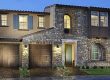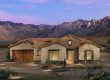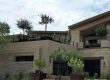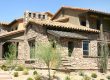
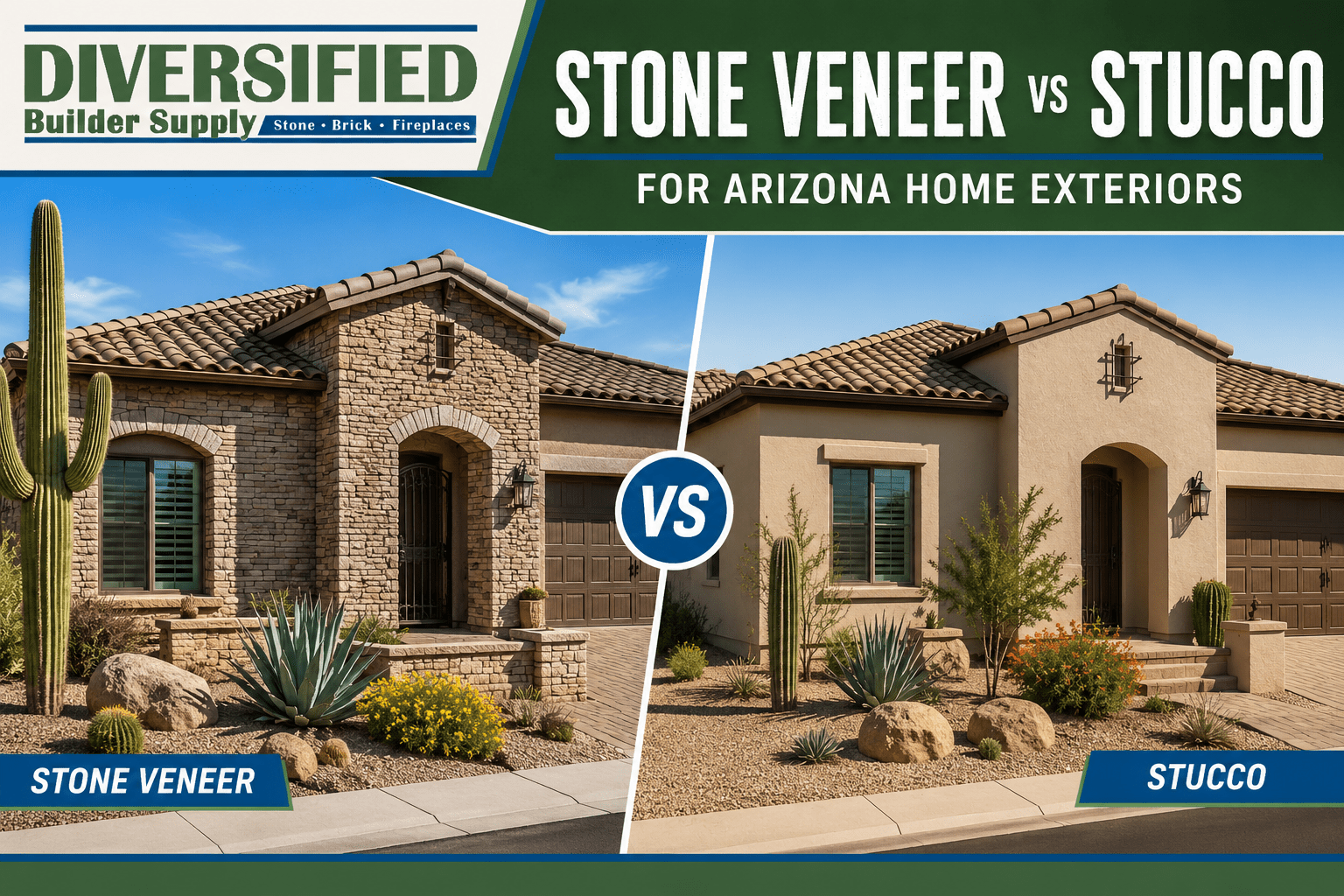
Stucco covers a large share of the homes in Phoenix, Chandler, Gilbert, and Mesa. It suits the regional architecture, handles curved details well, and creates a clean background for almost any exterior color.
The problem is not that stucco looks bad. It is that an uninterrupted wall of it can leave a home looking flat. Stone veneer adds texture and depth in places where paint alone cannot create much definition. For many Arizona homes, the best decision is not choosing one material over the other. It is learning how to use both.
The Materials Perform Different Jobs
Stucco creates a continuous exterior finish. It can cover broad wall areas without introducing a busy pattern, which makes it useful across the main body of a house.
Stone veneer is an adhered decorative cladding rather than a structural stone wall. It brings individual shapes, shadows, color variation, and visible mortar joints to the design. Depending on the selected profile, it can make a home feel contemporary, rustic, traditional, or distinctly Southwestern.
Using stone everywhere is rarely necessary. A smaller amount in the right location can have more visual impact than covering every available wall.
Where Stone Veneer Makes the Biggest Difference
The front entry is usually the first place to consider. Stone can frame the door, continue across a porch wall, or wrap nearby columns. This gives the entrance a clear identity when viewed from the street.
Garage walls are another possibility, although proportion matters. A narrow stone band along the bottom can look disconnected if it stops without a sensible architectural reason. Continuing the material around a corner or connecting it to an entry feature usually produces a more deliberate result.
Columns, courtyard walls, outdoor fireplaces, and prominent window areas can also benefit from stone. The goal should be to highlight the structure of the home rather than scatter stone across unrelated surfaces.
Stone and Stucco Need a Planned Transition
A good transition looks simple when it is finished because someone resolved the difficult details beforehand. The thickness of the veneer, outside corners, wall terminations, window trim, and nearby paving all affect the installation.
The bottom edge should not disappear into soil, mulch, or a patio without considering drainage and required clearances. Roof intersections and horizontal ledges also deserve attention because rainwater must be directed away from the wall assembly.
Manufactured stone veneer is not the weather barrier by itself. Flashing, drainage provisions, and the layers behind the visible stone help manage water during Arizona monsoon storms.
Color Should Be Checked in Arizona Sunlight
Small samples viewed indoors can be deceptive. Phoenix sunlight brings out warm tones quickly, while deeply shaded entries may make the same stone appear darker.
Compare the stone with the roof, stucco, garage door, window frames, and existing hardscape. Mortar color matters too. A strongly contrasting joint emphasizes each piece, while a closer color creates a quieter and more unified surface.
View samples outside at more than one time of day before making the final selection.
Plan Stone Veneer With Diversified Builder Supply
Diversified Builder Supply installs residential stone and brick veneer throughout Phoenix, Chandler, Gilbert, Mesa, Scottsdale, Tempe, and surrounding Arizona communities. Our team can help evaluate the surface, transitions, material profile, and installation details before work begins.
Call 480 961 3780 to discuss stone veneer for your Arizona home and request a project estimate.
References
/vc_column_text]
GAS FIREPLACE INSTALLATION PHOENIX & CHANDLER, ARIZONA
If you live in Chandler, or surrounding cities in the Phoenix, Arizona area and want a gas fireplace installed; Diversified Builder, Inc. can help! We offer indoor and outdoor fireplace installation in Phoenix & Chandler, Arizona. We also install commercial and residential brick veneers. Contact us Today!