While brick veneer and solid brick structures utilize most of the same construction materials, their installation processes and techniques are quite different overall. Let’s take a look at the similarities and differences between brick veneer and solid brick.
Solid Vs. Veneered Brick Differences
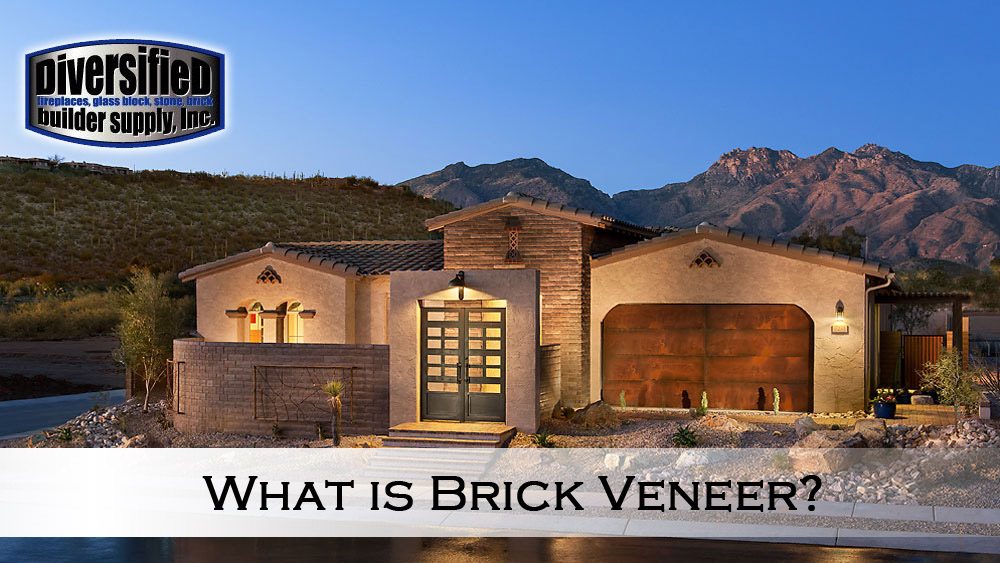
A thin layer of brick that can be used as an external cladding system is called brick veneer. Brick veneer depends on the structural walls behind it for stability, in contrast to solid masonry walls that support a building’s structure.
The following are the main differences between solid brick and brick veneer:
1. Structure: Solid brick is a structural element, whereas brick veneer is an external finish that does not support weight.
2. Installation: While solid brick is constructed from the ground up, veneer is affixed to an already-existing wall structure.
3. Weight: Compared to solid brick construction, veneer is substantially lighter.
Additional insulation is provided by the air gap that brick veneer creates between the brick and the wall.
Brick Veneer Benefits
Brick veneer is a desirable alternative for homeowners due to its many advantages. With so many different material colors and sizes available, it’s simple to find a design that blends in with the style of your house. With lower labor and material costs, it’s also less expensive than solid brick construction.
Furthermore, brick veneer improves insulation. Energy efficiency is increased by the additional insulating effect of the air gap between the wall and the brick.
Solid Brick Benefits
In the unfortunate event of heavy winds or even an earthquake, solid brick is much more stable overall. In fact, the majority of solid brick homes can last centuries.
With the installation of solid brick, you’ll never have to worry about decay or pest infestations. This is due to the fact that there is no interior wood framing system in place.
Brick Veneer Applications
Depending on whether brick veneer is being used indoors or outdoors, there are differences in the installation procedure.
Installation Indoors
Bricks are usually placed on top of mortar that has been applied to the wall surface (usually cement board) for interior walls. Uniform gaps between the bricks are created with plastic spacers. Finally, after the mortar has dried, you fix or seal the bricks.
Installation Outside
It is more difficult to install brick veneer outdoors. To stop water intrusion, first apply Tyvek® HomeWrap® to the outside wall. After that, use mortar joints to apply the brick veneer to the cement backing and fasten the concrete board to the external wall. After that, construct from the ground up on a suitable foundation with sufficient ventilation and drainage.
Brick veneer installation outside is subject to stricter regulations. To ensure that the brick veneer can survive outdoor conditions, you must pay close attention to weatherproofing and structural integrity.
Brick Veneer’s Drawbacks
Although brick veneer has many benefits, novices may find installation difficult and time-consuming. Its poorer thermal conduction qualities in comparison to certain other cladding materials are another drawback. Additionally, brick veneer can eventually retain moisture inside the wall if proper drainage (weep holes) is not installed.
Although brick veneer is a beautiful and long-lasting option, homeowners should be mindful of possible problems.
Issues with Installation
For brick veneer to last as long as possible and maintain its appearance, it must be installed correctly. Uneven brick placement, uneven mortar joint thickness, and incorrect anchoring to the structural wall are common installation problems.
Employing a professional contractor or skilled mason to install your brick veneer will help you avoid these issues.
Conclusion
Brick veneer’s price varies according to a number of factors, such as the manufacturer, thickness, color, and design. According to Angi, the average price per square foot is between $5 and $12.
Installation fees, which range from $3 to $20 per square foot for labor, can greatly increase the total cost.
Hiring experts guarantees that the work is done correctly, preventing future repair costs because installation can be complicated. Choose the contractor that best fits your needs by discussing and pricing out your scope of work with several of them.
High-quality brick veneer can endure for at least 50 years when installed and maintained properly, making it a durable exterior choice. Its lifespan can be increased with timely repairs and routine maintenance, but other elements like installation quality and climate also affect how long it lasts.
Homeowners can achieve the classic brick look without the structural complexity of solid masonry at a lower cost by using brick veneer. It is a desirable choice for many home renovation projects due to its adaptability for both indoor and outdoor applications.
Despite certain difficulties, like correct installation and moisture control, brick veneer frequently has more advantages than disadvantages. If you are thinking about using brick veneer, carefully consider the advantages and disadvantages and get expert advice.
PHOENIX BRICK VENEER
Diversified Builder Supply, Inc. is a premier supplier and installer of brick veneer. For more information about our full range of brick veneers we carry and install, please call us and request more information at 480-961-3780.